
Online Music Appreciation Course for Keen Young Musicians
Led by Professor Rebecca Hammond — Guildhall School of Music · Royal Academy of Music · Royal Birmingham Conservatoire
A small-group online course for musically curious children aged 8–13 who are ready to think more deeply about music — not just play it.
Four Saturday morning sessions. Groups of five to eight. Places are limited and awarded by application.
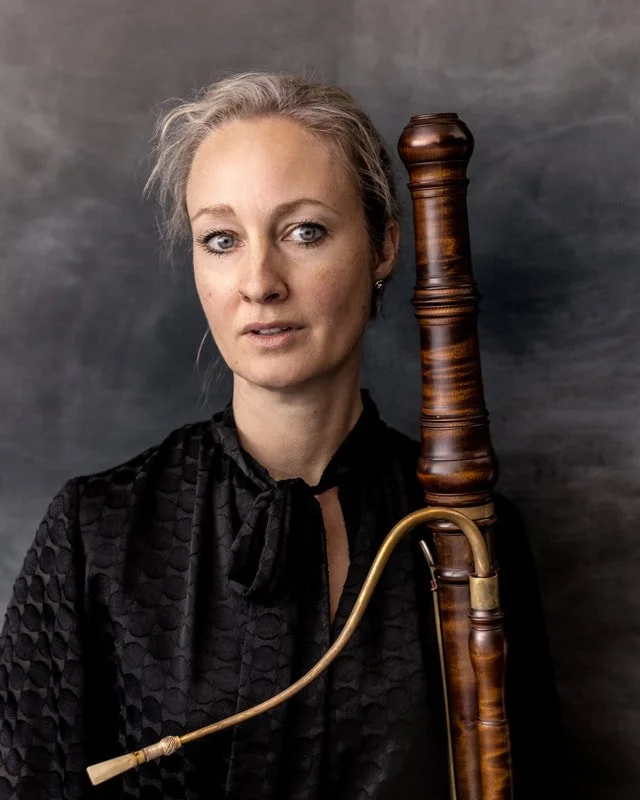
“Most children have a much richer musical instinct than they realise. What this course does is give them the space and the language to discover it — to move from 'I like this' to understanding why, and being able to say so with confidence.”
Professor Rebecca Hammond, MMus, PG Cert, FHEA
What Is Music Appreciation?
Music appreciation is the study of music through listening, discussion and contextual understanding. Rather than focusing on performance or exams, it develops a child's ability to analyse, articulate and respond thoughtfully to what they hear — across styles, periods and traditions.
In practice, it gives children space to step back from their instrument and engage with music more broadly. Not what to play, but how music works, what it expresses, and why it matters.

Why Musical Thinking Matters
Learning an instrument is vital. Technical progress matters. Exams provide structure. But musicianship is broader than this.
The children who thrive — in performance, in auditions, and simply as musicians — tend to share something beyond technique. They listen with intention. They notice detail. They can talk about what they hear with genuine confidence and their own point of view.
That kind of musical thinking doesn't develop on its own. It needs the right environment: guided listening, thoughtful questioning, and the stimulus of other curious minds.
Through carefully led discussion and small-group exploration, children in this course learn to:
Notice detail and describe it with clarity
Compare styles, composers and interpretations with real discernment
Make connections across periods, genres and traditions
Form their own responses and express them with confidence
Ask better questions — and sit comfortably with open ones
Over time, this deepens everything else: instrumental study, performance, and where relevant, scholarship interviews. But that's a consequence, not the point. The aim is simply to produce children who engage with music as a living, thinking thing.
Who This Course Is For
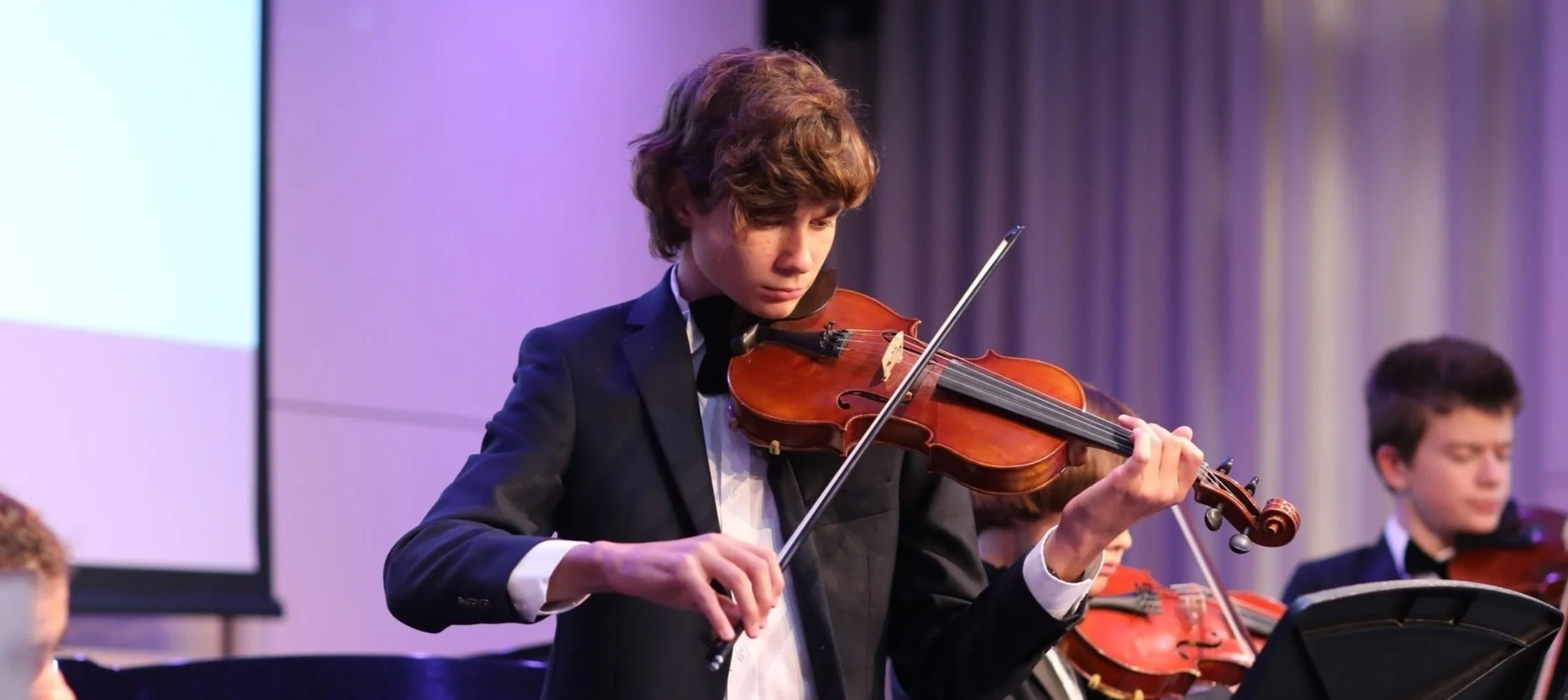
This course is for musically curious children aged 8–13 who want more from their musical life than lessons and grades. Specifically, children who:
Are curious about music beyond their own repertoire
Enjoy listening and have things to say about what they hear — or wish they did
Would benefit from discussion alongside other able, engaged peers
Are ready to think independently and share their own views
It is particularly well-suited to children preparing for music scholarships at 11+ or 13+, though this is not a requirement. The course is equally valuable for any child seeking a richer, more thoughtful musical education.
This is not a general music club or a theory class. It is deliberately intellectually stretching, and works best for children who are ready to engage — including quieter children who have plenty to say when given the right space.
About Professor Rebecca Hammond
Rebecca Hammond teaches at three of the UK's leading conservatoires: she is Professor of Baroque Bassoon at the Guildhall School of Music and Drama and Royal Birmingham Conservatoire, and Assistant Professor of Historical Bassoons at the Royal Academy of Music. She is a Fellow of the Higher Education Academy.
Alongside a performing career that spans concert halls and international festivals, Rebecca spent over a decade teaching in leading London schools — designing and delivering music appreciation for children preparing for advanced musical study.
That combination is rare, and it is what makes this course unlike anything else available at this level.
Course details
Format: 4 live online sessions · small group (5–8 children)
Dates: Saturdays 25 Apr, 2 May, 9 May & 16 May 2026
Times: 9:00–10:00am or 10:00–11:00am (indicate preference on application)
Fee: £149 for the full programme
At £37.25 per session, this is significantly less than a private lesson with a conservatoire professor — and the small-group format creates something a one-to-one lesson cannot: the stimulus of other curious young musicians listening, questioning and responding alongside your child.
How to apply
Because group dynamic is central to how this course works, we give careful thought to how each cohort is shaped — considering age, experience and temperament so that every child feels comfortable, appropriately stretched, and able to contribute.
The application form takes around five minutes. There are no right or wrong answers — we simply want to understand your child and their relationship with music. We review each application personally and will be in touch within 2–3 working days.
Places are limited to eight per cohort. We are currently reviewing applications for the first cohort, which begins 25 April.
Any questions first? Email us at info@preludeeducation.com or WhatsApp us — we're happy to chat.
Frequently asked questions
-
Yes. All sessions are delivered live online via Zoom in a structured small-group format. Children will need a quiet space and a stable internet connection.
-
The course is designed for children aged 8–13. We pay careful attention to age balance within each cohort so that sessions feel natural and appropriately stretching for everyone.
-
Not at all. The course is equally valuable for any musically curious child seeking a richer understanding of music. Scholarship relevance is a context, not a requirement.
-
Quieter children often thrive in this format. Sessions are carefully led — no child is put on the spot, and Professor Hammond is experienced at drawing out children who have plenty to say when given the right space. If you have specific concerns, do mention them on the application form and we'll take them into account.
-
No. The course does not require or assume formal theory knowledge. It is built around listening, discussion and personal response — not technical analysis. A child at Grade 2 and a child at Grade 6 can both participate meaningfully.
-
We ask all families to commit to all four dates before applying — this is important for group continuity and the quality of discussion. If an unavoidable conflict arises, please contact us and we will do our best to accommodate. We do not offer recordings of sessions as a substitute for attendance.
-
The fee is £149 for the full four-session programme, payable on acceptance. As places are limited and held exclusively once confirmed, fees are non-refundable after acceptance. If you have any questions before applying, we are happy to discuss them — please email info@preludeeducation.com or use the WhatsApp link below.
-
Instrumental lessons focus on technique, repertoire and exam preparation. This course focuses on listening, analysis, context and discussion — developing the wider musicianship that underpins everything else. The two complement each other; this course is not a replacement for lessons.

Further Reading for parents
-
![Girl learning piano in a piano lesson]()
Ultimate Guide to Music Scholarships
Interested in how to best prepare your child for a music scholarship? Read the best Ultimate Guide to Music Scholarships written by music scholarship experts.
-
![Girl practicing the harp]()
Music Scholarship Advisory Services
Looking for further support in how to achieve a music scholarship? Read more about our Scholarship Advisory Services for 11+, 13+ and 16+ music scholarships
-
![Ex-Eton College Music Director]()
Watch Ralph Allwood Discuss Scholarships
Watch Ralph Allwood MBE, Director of Music at Eton College for 26 years, discuss 6 tips of how to get a music scholarship to British private and independent schools.


